Estepona Old Town Property: The 2026 Guide to Brilliant Rental Yields
Publish Date: March 7, 2026
Author: Luminia Marketing Solutions
Reading Time: 8 Minutes
While the hills of the Costa del Sol are famous for ultra-modern villas, a distinctly different investment strategy is generating incredible returns in 2026. Savvy investors are quietly acquiring Estepona Old Town property. By purchasing traditional Andalusian townhouses and renovating them to luxury standards, these buyers are capitalizing on the massive demand for authentic, boutique travel experiences.
The historic center, famously dubbed the Garden of the Costa del Sol, has undergone a spectacular transformation. With its pristine pedestrian streets, vibrant floral displays, and proximity to the beach, the demand for short term holiday rentals here vastly outpaces the supply of high quality inventory.
This guide explores the financial mechanics of buying and renovating Estepona Old Town property, the expected rental yields, and how to position your asset in the competitive luxury hospitality market. It serves as an essential addition to our comprehensive Estepona real estate investment blueprint.
1. The Charm and Demand for Estepona Old Town Property
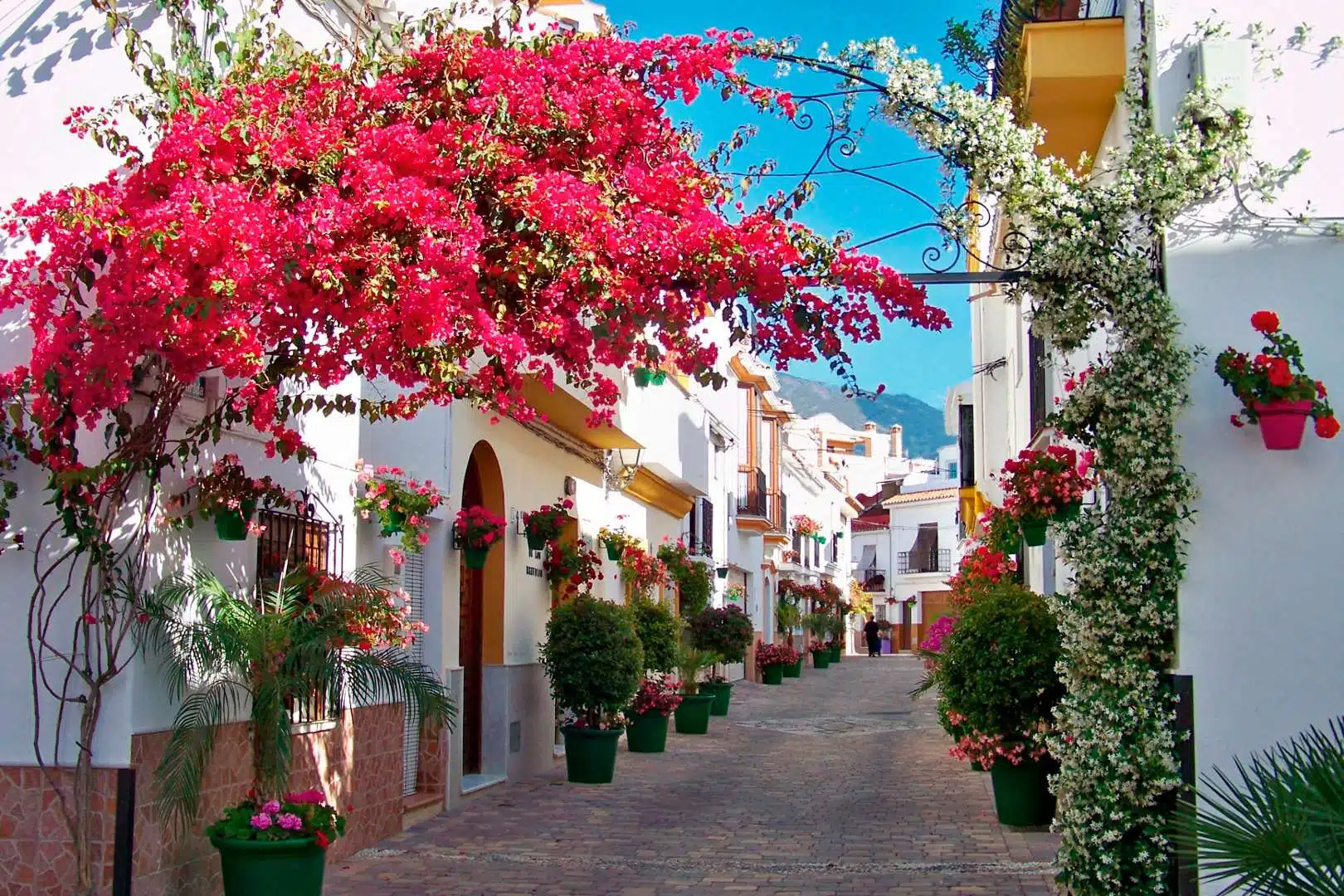
The appeal of the historic center is deeply emotional. Visitors from Northern Europe and the United States no longer want generic hotel rooms. They want to experience the authentic soul of Andalusia. They want to step out of their front door and immediately find themselves surrounded by cobblestone streets, traditional tapas bars, and the vibrant local culture.
However, these modern travelers also demand five-star amenities. They want the historic charm on the outside, but they expect high-speed internet, aerothermal climate control, designer kitchens, and spa-like bathrooms on the inside. This gap in the market is exactly why an unrenovated Estepona Old Town property represents such a phenomenal investment opportunity.
2. Understanding Boutique Rental Yields
The financial math behind these renovations is highly compelling. When you purchase an older, unmodernized townhouse, your initial capital outlay is relatively low compared to buying a beachfront penthouse. After injecting capital into a high-end structural and cosmetic renovation, the asset value immediately spikes.
But the true reward lies in the short-term rental market. A beautifully designed Estepona Old Town property can command premium nightly rates, especially during the extended summer season from April through October. Because the historic center attracts a more mature, culturally focused demographic, the occupancy rates remain exceptionally high even during the winter months, driven by digital nomads and extended stay tourists seeking the mild Mediterranean climate.
Investors successfully operating in this micro market are routinely seeing net rental yields between 6 and 9 percent annually, which significantly outperforms traditional long term residential leasing.
3. The Renovation Process in the Historic Center
Renovating a historic building requires navigating specific local regulations. The town hall is fiercely protective of the aesthetic integrity of the Old Town. While you have total freedom to modernize the interior, the exterior facade must comply with strict visual guidelines.
When renovating your Estepona Old Town property, you must maintain the traditional white washed walls, specific wrought iron balcony designs, and the exact color codes for the doors and windows. Working with a local architect who has an established relationship with the municipal planning department is absolutely crucial to avoid costly delays in securing your building permits.
4. Navigating Short-Term Rental Licenses
To legally operate a holiday rental in Andalusia, your property must be registered with the regional tourism board. You can review the official requirements for tourist dwellings directly through the Department of Tourism of Andalusia.
The regulations ensure a minimum standard of quality for visitors. Your renovated Estepona Old Town property must have integrated cooling systems for the summer months and heating for the winter. It must also provide a fully equipped kitchen, specific first aid supplies, and a visible complaints book. Once your property meets these standards, you receive an official registration code that must be displayed on all booking platforms.
5. Marketing Your Boutique Asset
Once the dust settles and your renovation is complete, your success relies entirely on how you present the property to the world. You are no longer just a landlord; you are operating a micro hotel.
To maximize your nightly rates, your property requires an independent brand identity. This is where luxury hospitality branding becomes essential. Professional interior photography, a compelling narrative, and targeted social media campaigns will elevate your asset above the standard listings on Airbnb.
Furthermore, managing inquiries, coordinating cleaning staff, and syncing availability across multiple platforms can quickly become a full-time job. Smart investors implement hotel booking system automation to streamline the entire process. This technology handles direct bookings on your own website, automates guest communication, and manages dynamic pricing algorithms to ensure you are always maximizing your revenue.
6. Conclusion: A High-Yield Strategy
Acquiring and elevating an Estepona Old Town property is one of the most rewarding investment strategies available on the Costa del Sol today. It allows you to preserve a piece of Spanish history while generating exceptional financial returns through the premium hospitality sector.
By pairing a high-quality renovation with expert digital marketing, you can create a highly profitable, hands-off asset that will appreciate for decades to come.
Are you ready to elevate your hospitality investments? Contact the expert team at Luminia Marketing Solutions. We specialize in building authoritative brands and automated booking systems for the luxury short-term rental market.